
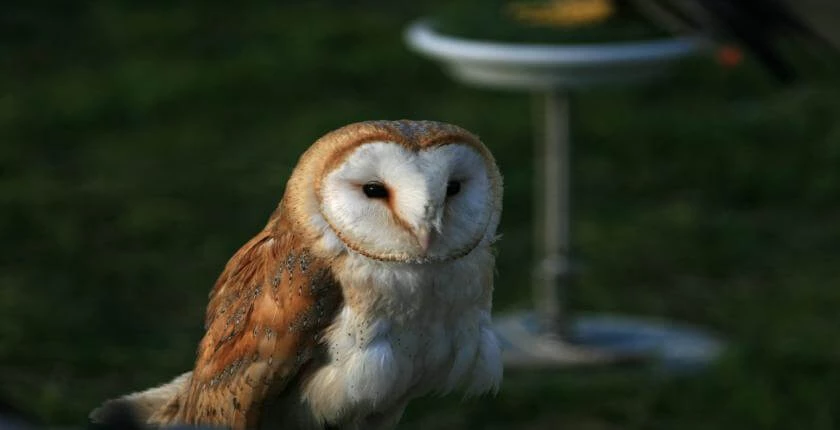
Barn Owl Surveys
Get in touchAt Nationwide Ecology, we specialise in conducting comprehensive barn owl surveys throughout and the surrounding area. Our surveys are essential for assessing potential barn owl presence and activity on development sites.
Using high-powered binoculars and night-vision technology, we monitor crucial indicators such as nesting sites and flight patterns. Our team is well-versed in ecological practices and local wildlife legislation, allowing us to provide detailed reports that guide environmentally responsible development.
Contact us to ensure your project complies with local wildlife protections.
What Are Barn Owl Surveys?
Barn owl surveys are detailed assessments that determine the presence and activity of barn owls on a specific site. At Nationwide Ecology, we conduct these surveys primarily during the dawn and dusk when barn owls are most active.
By analysing factors such as available roosting and nesting sites, along with visual confirmation of the owls, we offer insights crucial for complying with wildlife conservation laws. These surveys are indispensable in ensuring minimal impact on this protected species, particularly in rural and semi-rural areas where development might interfere with their habitat.
What Types of Barn Owl Surveys Are Available?
In , Nationwide Ecology offers several types of barn owl surveys to meet different needs:
Preliminary Roost Assessments: Evaluate the potential of a site to support barn owls. We inspect buildings, trees, and other structures for signs of nesting or roosting, considering factors like accessibility, the presence of prey, and historical data on owl activity.
Activity Surveys: Monitor barn owl activity and behaviour over an extended period. Using night-vision equipment and acoustic sensors, we gather data on flight patterns, feeding habits, and interaction with the environment, typically over a two to three-month period to account for seasonal variations.
Impact Assessments: Analyse how proposed developments might affect existing barn owl populations. We examine potential risks such as habitat loss, increased human disturbance, and changes in prey availability, following guidelines from the Wildlife and Countryside Act 1981.
Our services ensure you meet all necessary environmental obligations. Contact us today to determine which survey suits your project.
When Are Barn Owl Surveys Needed?
Barn owl surveys are typically needed when planning new developments near known barn owl habitats. If your site has old barns, mature trees, or structures that could serve as roosting or nesting sites, it's crucial to conduct a survey.
Additionally, sites near open fields and grasslands, which are ideal hunting grounds for barn owls, should also be surveyed. Developers need these surveys to ensure compliance with the Wildlife & Countryside Act 1981, which protects barn owls under UK law.
Surveys involve methods such as daytime visual searches and night-time observations using thermal cameras to detect the presence of these nocturnal birds. Surveys are conducted over several months to account for their breeding season, typically from March to August.
Surveys are often mandated by planning authorities to mitigate the environmental impact of construction projects.
Reach out for more information on when you may require our services.
How Do Barn Owl Surveys Work?
Our barn owl surveys follow a structured process designed to provide thorough insights into barn owl presence and behaviour:
Initial Site Visit: We perform an initial site survey to identify potential owl habitats, examining structures such as barns, hollow trees, and attic spaces where owls may nest. We also assess the surrounding landscape for hunting grounds with open fields and hedgerows.
Data Collection: Our team uses specialised equipment, such as thermal imaging cameras and sound recorders, to gather detailed data on owl activity. This allows us to monitor movement patterns and nesting sites without disturbing the owls.
Observation Phases: We conduct routine observations during peak activity times, primarily at dawn and dusk, to monitor owl behaviour. These observations help us understand their feeding habits and interaction with the environment.
Report Compilation: After concluding the fieldwork, we prepare a detailed report highlighting our findings, which includes population estimates, nesting sites, and potential threats to the owl habitat in accordance with the Wildlife and Countryside Act 1981.
Our systematic approach ensures we deliver reliable data necessary for informed decision-making. Book an initial consultation with us to get started.
How Long Do Barn Owl Surveys Take?
Barn owl surveys typically take place over several weeks, as multiple visits are necessary to capture accurate data. Most surveys require a minimum observation period of four to six weeks to account for variability in owl activity.
During this time, we use night-vision equipment to observe barn owls in their natural habitat, ensuring we accurately document their roosting and breeding patterns. We also monitor feeding behaviour and prey delivery, providing comprehensive insight into the local owl population health.
The period may vary depending on the size of the site and the specific requirements of the project. Our surveys comply with the British Trust for Ornithology guidelines, ensuring data collection aligns with established conservation standards.
Our efficient process allows for timely delivery of results, supporting your project's planning phase with well-informed decisions. Contact us to schedule your survey today.
Who Needs Barn Owl Surveys?
Several groups need barn owl surveys, including property developers, local councils, and environmental consultants. Developers planning construction projects near potential barn owl habitats are legally obligated to conduct these surveys to ensure minimal disruption to the species, adhering to the Wildlife and Countryside Act 1981.
Local councils often require evidence from these surveys as part of the planning approval process to comply with local biodiversity action plans and regulations. Environmental consultants use our surveys to offer informed recommendations on sustainable development practices by assessing the impact on barn owl populations and identifying critical nesting sites.
These surveys are conducted using standard methodologies such as the British Trust for Ornithology guidelines. Survey techniques involve daytime searches for signs like pellets and feathers, as well as night-time observations using thermal imaging equipment.
Contact us to find out how we can assist with your specific needs.
How Much Do Barn Owl Surveys Cost?
Barn owl surveys typically cost between £500 and £1,500. The price depends on the size of the site, the duration of the survey, and the specific requirements for reporting and data analysis.
Additional factors influencing cost include the need for night-time observations, which are often conducted using thermal imaging cameras to track owl activity, and any specific habitat assessments required for ecological impact studies.
Our qualified ecologists adhere to guidelines outlined by the Chartered Institute of Ecology and Environmental Management (CIEEM) to ensure that all findings are accurate and reliable. We use tools such as auditory surveys, which involve listening for barn owl calls at different times of the year to establish breeding patterns and territory sizes.
Our initial consultations help determine the exact scope and cost of your project. Investing in a professional survey can prevent costly delays and ensure compliance with environmental regulations.
Reach out for a personalised quote based on your project's specifications.
What Are the Benefits of Barn Owl Surveys?
Barn owl surveys provide several key benefits:
Legal Compliance: Ensure projects meet UK wildlife regulations, such as those outlined in the Wildlife and Countryside Act 1981. Surveys help identify barn owl nesting sites, ensuring developments do not breach legal protections.
Informed Development Decisions: Gain insights to plan sustainable projects by using survey data to assess the ecological impact. This can include altering construction timelines to avoid nesting seasons or incorporating green spaces that support local wildlife.
Risk Mitigation: Identify and address potential environmental impacts, such as habitat destruction, by integrating findings from surveys with Environmental Impact Assessments (EIAs). This can help avoid costly delays and legal issues.
Species Conservation: Support efforts to protect barn owl populations by contributing valuable data to conservation strategies and initiatives. Surveys can reveal changes in local barn owl distribution, enabling targeted conservation actions.
Conducting these surveys is not just a regulatory requirement but also a means to promote biodiversity and environmental stewardship. They play a crucial role in maintaining the delicate balance of local ecosystems.
What Regulations Apply to Barn Owl Surveys?
In the UK, barn owls are protected under the Wildlife & Countryside Act 1981. This legislation requires developers to conduct surveys before altering habitats that may affect barn owls.
Our surveys typically include pre-construction checks and nocturnal assessments using night-vision equipment to detect barn owl activity.
We follow guidance from Natural England and adhere to the British Standard for Surveys within the Environmental Impact Assessment (EIA) processes. Ensuring compliance with these regulations is crucial, as breaches can lead to significant legal repercussions, such as project delays and fines.
At Nationwide Ecology, we ensure all surveys adhere to these established guidelines to facilitate both ethical and legal project development. Developers, property managers, and landowners benefit from our services by avoiding potential conflicts with conservation laws, enabling smooth project progression.
Contact us to discuss how we can assist with your barn owl survey needs.
Why Choose Nationwide Ecology for Barn Owl Surveys?
Choosing Nationwide Ecology for your barn owl surveys means opting for a team with a deep understanding of local wildlife and environmental legislation. Our expert ecologists employ the latest technology, such as thermal imaging cameras and ultrasonic detectors, to deliver precise and reliable results.
We conduct surveys following best practice guidelines from the Barn Owl Trust and adhere to the Wildlife and Countryside Act of 1981, ensuring that our assessments align with legal requirements.
We cater to a wide range of clients including developers, planning authorities, and conservation bodies, providing valuable insights into barn owl habitats. Our surveys typically cover breeding sites, roosting sites, and foraging areas, to provide a overview of barn owl presence.
By collaborating with local planning committees, we support development projects that respect and preserve local ecosystems.
Trust us to guide your project to meet all necessary environmental standards and enhance biodiversity conservation efforts.
Barn Owl Surveys: Frequently Asked Questions
How much does a barn owl survey cost?
Barn owl surveys generally cost between £500 and £1,500, depending on the site size and survey requirements.
How long does a barn owl survey take?
Most surveys require a minimum of four to six weeks to ensure accurate data collection.
Are barn owl surveys legally required?
Yes, developers are usually required to conduct these surveys under UK wildlife protection laws.
What do barn owl surveys monitor?
Surveys monitor nesting and roosting sites, flight patterns, and overall barn owl activity.
Can surveys be conducted year-round?
Surveys can be conducted throughout the year, but most observations are effective during the breeding season.
Get a Free Quote for Barn Owl Surveys
Contact Nationwide Ecology today to schedule your barn owl survey. We provide expert guidance to ensure your project meets all environmental and legal standards.
Related Barn Owl Survey Services
Breeding and wintering bird surveys can provide wider information about bird use of a site alongside specialist barn owl assessment. A preliminary ecological appraisal can also identify buildings, trees and habitats requiring further investigation.
Where proposed works could affect nesting or roosting birds, ecological impact assessment can help evaluate the significance of potential effects.