
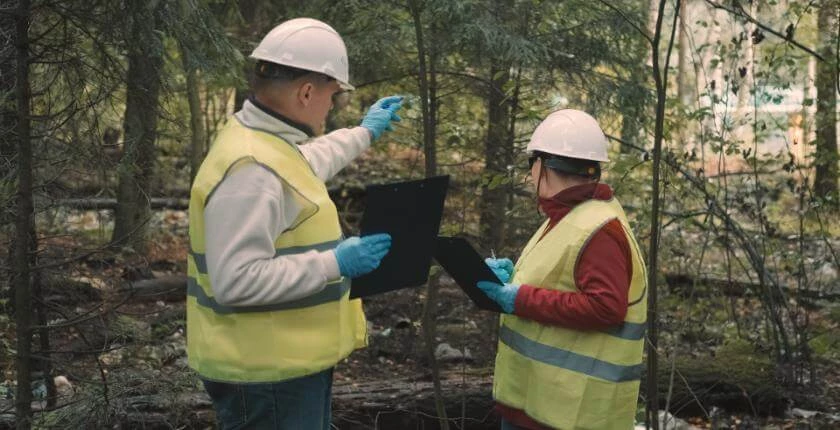
Phase 1 Habitat Survey
Get in touchAt Nationwide Ecology, we provide detailed Phase 1 Habitat Surveys, covering the area. These surveys identify essential ecological features and potential constraints on development sites.
Our surveys assess vegetation types, wildlife habitats and notable species present, helping you meet planning regulations. Contact us to arrange your habitat survey today.
What Is a Phase 1 Habitat Survey?
A Phase 1 Habitat Survey is a detailed assessment of a site's ecological features. At Nationwide Ecology, we conduct these surveys to map habitats and identify potential ecological constraints.
We assess vegetation types and the presence of protected species, delivering comprehensive reports.
Our surveys follow the Joint Nature Conservation Committee (JNCC) guidelines, ensuring that we meet industry standards for habitat classification. We use tools like Geographic Information Systems (GIS) to accurately map each habitat type, including grasslands, woodlands, and wetlands.
Additionally, we catalogue notable flora and potential areas of interest for further investigation, such as presence of invasive species or biodiversity hotspots.
These surveys are critical for planning applications and allow us to provide informed guidance on land management decisions. With our detailed reports, clients gain a clearer understanding of ecological challenges and regulatory requirements.
If you need assistance with your ecological assessment, contact us today.
What Types of Phase 1 Habitat Surveys Are Available?
Our Phase 1 Habitat Surveys encompass various methodologies to suit diverse needs, ensuring your project complies with local planning and environmental regulations.
Standard Survey: Basic habitat mapping and species recording are conducted using methods outlined in the Joint Nature Conservation Committee (JNCC) guidelines, suitable for preliminary ecological appraisals of small developments.
Extended Survey: Includes more detailed species surveys and habitat assessments, often incorporating protected species such as bats and great crested newts, serving larger development projects or sites with known conservation concerns.
Seasonal Survey: Conducted during specific seasons to target particular species, like nesting birds in spring or hibernating bats in winter, ensuring accurate representation of seasonal habitat use.
Our surveys are typically completed within two to three weeks and include detailed reports compliant with BS 42020:2013 Biodiversity standards. Contact us to find the right option for your project.
What Does a Phase 1 Habitat Survey Cover?
Our Phase 1 Habitat Surveys cover a range of ecological features essential for informed planning. We focus on vegetative communities, wildlife habitats and notable species, including birds, mammals and protected flora.
During the survey, we use the Joint Nature Conservation Committee (JNCC) methodology to capture accurate data on habitat types like grasslands, wetlands, and woodlands.
Our team identifies features such as public rights of way, water courses, and hedgerows, which may affect development proposals. We use GIS mapping technology to produce detailed habitat maps that help distinguish unsuitable or high-risk areas for development.
These maps also highlight any potential impacts on Sites of Special Scientific Interest (SSSIs) and Special Areas of Conservation (SACs).
Additionally, our surveys assess potential mitigation measures and conservation opportunities for habitats and species at risk. This comprehensive insight aids local authorities and developers in making environmentally responsible decisions.
Get in touch to find out how our surveys can support your project.
When Is a Phase 1 Habitat Survey Needed?
Phase 1 Habitat Surveys are typically needed when planning development projects, especially those near areas of high ecological value such as Sites of Special Scientific Interest (SSSI) or Natura 2000 sites. These surveys provide an initial assessment of the vegetation and wildlife on a site and identify any habitats or species that may be legally protected under the Wildlife and Countryside Act 1981.
Conducting a survey helps ensure compliance with planning regulations and standards such as the British Standard 42020 for biodiversity and development. Surveyors use methods like vegetation mapping and target notes to detail habitat types.
They also look for indications of protected species like bats or newts, which could affect building plans. Initiate your survey early in the planning process, ideally in the spring or summer when plant life is most visible, to develop accurate mitigation or conservation strategies.
How Does a Phase 1 Habitat Survey Work?
Our Phase 1 Habitat Surveys follow a structured process:
Site Visit: We begin with a detailed site assessment, typically taking one to two days, depending on the site size and complexity. This includes visual inspections, noting geographical features, and photographing key areas.
Habitat Mapping: We map various habitat types using the UK's Joint Nature Conservation Committee guidelines. These include woodlands, grasslands, and water bodies, classifying each to assess biodiversity and ecological value.
Species Recording: During the site visit, we identify and record the presence of key species and ecological features. We focus on protected species like bats, badgers, and newts, noting any signs of habitation and using tools such as bat detectors or camera traps for further confirmation if necessary.
Report Compilation: After the survey, we provide a comprehensive, illustrated report with findings, habitat maps, and recommendations for any necessary conservation or mitigation measures. Our reports also often inform planning applications and ecological appraisals.
For a detailed and thorough survey process, contact our team.
How Long Does a Phase 1 Habitat Survey Take?
A Phase 1 Habitat Survey typically takes one to two days to complete on site. During this time, we conduct a walkover survey to map the habitat types present, which involves identifying vegetation and structural features.
We follow the Joint Nature Conservation Committee (JNCC) guidelines to ensure accurate habitat classification.
This excludes report compilation time, which can take an additional one to two weeks. The report includes a detailed habitat map, photographic evidence, and any identified constraints or ecological features needing further investigation.
The overall duration of the survey can vary depending on site size and complexity, particularly for large or complex sites where additional resources may be required for data analysis.
Our survey results can help inform ecological assessments for planning applications or land management strategies. Contact us to schedule a survey and get an accurate timeframe.
Who Needs a Phase 1 Habitat Survey?
Phase 1 Habitat Surveys are essential for developers, architects, planners and landowners, particularly those involved in residential, commercial or infrastructure projects. These surveys are often required to evaluate potential environmental impacts and fulfil legal obligations under the Wildlife and Countryside Act 1981 and the National Planning Policy Framework.
Conducted using methods like site walkovers and vegetative mapping, these surveys catalogue habitat types and significant species. Landowners, aiming to manage estates sustainably, also benefit from understanding habitat distributions.
The results help identify areas that may host protected species such as bats or great crested newts, necessitating further ecological assessments. By facilitating compliance with planning regulations and best practices in environmental management, Phase 1 Habitat Surveys protect both projects and local biodiversity.
Reach out to us for professional advice on your habitat survey requirements.
How Much Does a Phase 1 Habitat Survey Cost?
A Phase 1 Habitat Survey typically costs between £500 and £1,500, depending on site size and complexity. The primary factors influencing the cost include the level of detail required, such as mapping vegetation types and conducting a desk study on existing records.
Specific challenges, like difficult site access or the presence of rare flora, can add to the expense, as can seasonal constraints that might impact survey timing. Additional survey components like protected species assessment for bats, badgers, or great crested newts may also require specialised equipment and extend the timescale.
Surveys are carried out by ecologists adhering to the Joint Nature Conservation Committee (JNCC) guidelines to ensure accuracy and compliance with relevant regulations. Contact us for a precise quote tailored to your project's needs.
What Are the Benefits of a Phase 1 Habitat Survey?
Phase 1 Habitat Surveys offer numerous advantages:
Regulatory Compliance: Meet local and national planning regulations by adhering to guidelines set by Natural England and local councils. These surveys ensure that developments do not violate important environmental laws such as the Wildlife and Countryside Act.
Risk Management: Identify ecological constraints early, such as the presence of protected species like bats or great crested newts. Understanding these constraints can help avoid potential legal issues and costly project delays.
Informed Decisions: Use precise data, collected through methods like desktop studies and site visits, for project planning. This data forms the basis of ecological reports that guide the development process, minimising unforeseen impacts.
Biodiversity Protection: Protect habitats and species from development impact by implementing measures such as creating buffer zones or modifying project designs. Surveys help in evaluating existing ecological value and ensuring sustainable development practices.
Get in touch to leverage these benefits for your project.
What Regulations Apply to a Phase 1 Habitat Survey?
Phase 1 Habitat Surveys adhere to UK legislation such as the Wildlife and Countryside Act 1981, which provides protection for native wildlife and their habitats. The surveys also follow the guidelines set out by the UK's Joint Nature Conservation Committee, ensuring that all assessments are consistent and scientifically rigorous.
Additionally, these surveys consider the Natural Environment and Rural Communities Act 2006, which places a biodiversity duty on public authorities to conserve biodiversity.
Our surveys integrate criteria from both the National Planning Policy Framework (NPPF) and local authority requirements, ensuring that they align with planning applications and development strategies. They help identify potential ecological constraints and opportunities from the earliest stages of development, assisting planners, developers, and landscape architects.
Speak to our experienced team for more details on how our surveys can assist in your project planning.
Why Choose Nationwide Ecology for a Phase 1 Habitat Survey?
Nationwide Ecology offers expert Phase 1 Habitat Surveys, providing detailed habitat assessments aligned with ecological and planning standards. We conduct thorough vegetation mapping, noting specific plant species and community types, and assess habitat types such as woodlands, grasslands and wetlands.
Our experienced ecologists use industry-standard methodologies like the Joint Nature Conservation Committee (JNCC) guidelines, ensuring comprehensive and reliable reports.
We employ GPS equipment for precise mapping, enabling us to produce accurate habitat maps. Our detailed reports include assessments of the potential impact of your development project on local biodiversity, helping inform ecological constraints and mitigation measures.
These surveys typically take one to two weeks from initial site visit to report delivery, supporting your planning applications efficiently.
Contact us to benefit from our expertise today.
Phase 1 Habitat Survey: Frequently Asked Questions
How much does a survey cost in ?
A Phase 1 Habitat Survey in typically costs between £500 and £1,500, depending on site specifics. Contact us for a tailored quote.
How long is the report valid?
Survey reports generally remain valid for one to two years, depending on site changes and planning needs.
Is licensed access needed for surveys?
Yes, Phase 1 Habitat Surveys often require landowner permission and may need specific licences for protected species.
What species are typically recorded?
We record a variety of species, focusing on those relevant to the area's habitats, including birds, mammals and protected flora.
Can surveys be done year-round?
Surveys can be conducted year-round, but seasonal timing may influence the presence of certain species and habitats.
Get a Free Quote for Phase 1 Habitat Survey
Contact Nationwide Ecology to schedule your Phase 1 Habitat Survey. Our expert team is here to assist you with all your ecological assessment needs.
Related Ecological Impact Assessment Services
An ecology survey for a planning application can provide evidence needed to understand ecological constraints before development decisions are made. A biodiversity net gain assessment can address the biodiversity implications of proposed land-use changes.
Where ecological mitigation is required during construction, an ecological clerk of works service can support implementation on site.