
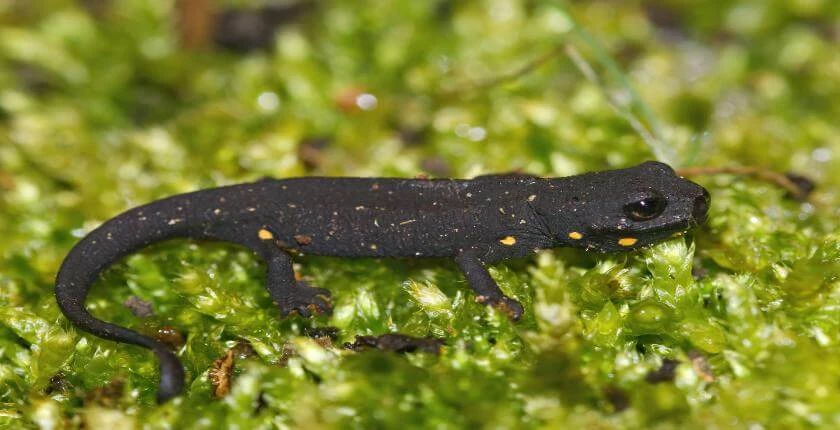
Great Crested Newt Surveys
Get in touchAt Nationwide Ecology, we offer expert Great Crested Newt Surveys across and the surrounding postcode area. These surveys assess habitats for the presence of great crested newts, ensuring compliance with wildlife regulations.
Our services include site appraisals, habitat assessments, and mitigation plans, serving developers, planners, and conservationists alike.
What Is a Great Crested Newt Survey?
A Great Crested Newt Survey involves assessing habitats for the presence and health of great crested newt populations. At Nationwide Ecology, we perform these surveys to provide ecological data essential for planning and conservation efforts.
The process typically includes both Habitat Suitability Index (HSI) assessments and eDNA analysis, which help establish the likelihood of newts inhabiting a given area. Our expert team uses torch surveys and refuge searches, often conducted at dusk or dawn, to gather accurate data on the newts' presence and behaviour.
By identifying breeding sites, terrestrial habitats, and potential barriers, our surveys ensure adherence to the Conservation of Habitats and Species Regulations 2017, safeguarding these protected species. Clients such as developers, construction firms, and local authorities often rely on our surveys to inform project planning and avoid legal issues associated with habitat disruption.
Trust us to provide the insights required for responsible and compliant developments.
What Types of Great Crested Newt Surveys Are Available?
Nationwide Ecology offers a variety of Great Crested Newt Surveys to meet different project needs. Each survey is conducted with precision to comply with Natural England guidelines and is designed to support planning applications or development projects.
Habitat Suitability Index (HSI): Evaluates ponds for newt suitability based on a scoring system that assesses factors such as water quality, vegetation cover, and pond size.
Presence/Absence Surveys: Detects newt populations through field techniques like bottle trapping, torchlight surveys, and egg searches over a period of four to six visits.
Population Size Class Assessments: Estimates population size using capture-recapture methods, conducted in the breeding season to ensure accuracy.
eDNA Analysis: Tests water samples for newt DNA to confirm their presence rapidly, offering results typically within two weeks.
Get in touch to determine the right survey type for your needs. Our team is ready to assist with any necessary mitigation or ecological enhancements.
When Is a Great Crested Newt Survey Needed?
Great Crested Newt Surveys are needed when development projects potentially impact newt habitats. The surveys are crucial for planning permission applications, ensuring compliance with environmental legislation, such as the Conservation of Habitats and Species Regulations 2017.
Conducting these surveys between March and June optimises detection rates due to the newts’ active breeding season. During this period, we use methods such as torch surveys, netting, and pitfall trapping to gather accurate data on newt populations.
These methods align with Natural England's guidelines, ensuring ethical and effective practices. We often serve clients ranging from property developers and infrastructure companies to private landowners who require comprehensive biodiversity management.
We recommend scheduling a survey ahead of time to avoid project delays and ensure all biodiversity assessments are completed within required timeframes.
How Does a Great Crested Newt Survey Work?
Our Great Crested Newt Survey follows these steps:
Initial Consultation: We begin by discussing the specific project details, timeline, and ecological requirements with our clients. This helps us understand site constraints and permissions needed.
Preliminary Assessment: At this stage, we conduct a habitat evaluation along with a desktop study. These evaluations include checking historical records and Ordnance Survey maps to identify potential breeding ponds and terrestrial habitats.
Field Surveys: Using methodologies such as torch surveys, bottle trapping, and egg searches, our team carries out detailed site surveys. These surveys are conducted over four to six visits, typically between March and June, to account for the breeding season and activity patterns.
Data Analysis and Reporting: We compile the collected data into a report, including GIS mapping of habitats. This report is formatted to meet planning guidelines, helping with planning submissions and licence applications.
Contact Nationwide Ecology to arrange a consultation.
How Long Does a Great Crested Newt Survey Take?
A Great Crested Newt Survey typically takes several weeks to complete, depending on the survey type and project size. Presence/absence surveys involve at least four to six visits over the breeding season, generally carried out between mid-March and mid-June, when the newts are most active.
Each visit may employ diverse techniques such as torch surveys at night, egg searches and pitfall traps to ensure comprehensive data collection.
Moreover, eDNA analysis can offer quicker results, often within two weeks, by detecting traces of newt DNA in water samples. In addition to fieldwork, it is crucial to allow time for data analysis, which involves interpreting findings against legislation such as the Conservation of Habitats and Species Regulations 2017.
Following analysis, report preparation can take anywhere from one to two weeks, helping to ensure smooth planning processes and compliance with local authority requirements.
Who Needs Great Crested Newt Surveys?
Nationwide Ecology provides Great Crested Newt Surveys to developers, planners, and environmental consultants. These assessments are essential for anyone whose projects may affect great crested newt habitats, such as construction firms, local authorities, and conservation groups.
Surveys are conducted during the optimum season, typically from March to June, ensuring compliance with ecological standards.
We employ techniques such as torch surveys, bottle trapping, and egg searching to assess population size and distribution. Conducting these early in the planning stages helps identify potential constraints and avoids legal breaches under the Wildlife and Countryside Act 1981.
Properly identifying newt presence allows for proactive habitat conservation and mitigates costly project delays.
Ensure your development complies with wildlife legislation by scheduling a survey with us.
How Much Does a Great Crested Newt Survey Cost?
Great Crested Newt Surveys typically cost between £500 and £1,500, depending on the survey scope and site complexity. A Preliminary Ecological Appraisal (PEA) may be necessary first to assess habitat suitability.
Field surveys often follow, using methods like eDNA testing or traditional hand searches to detect newt presence.
Costs vary based on factors such as survey type, number of visits, and data analysis requirements. For example, multiple visits may be required over a six-week period during breeding season, in accordance with Natural England guidelines.
Additional considerations include licensing for handling protected species and reporting adhered to CIEEM standards.
Contact us for a tailored quote and precise cost details for your project. Let us help you meet planning requirements and preserve local biodiversity.
What Are the Benefits of Great Crested Newt Surveys?
Great Crested Newt Surveys provide valuable ecological insights and legal compliance assurance. Conducting these surveys is important in areas with development projects, as they help identify potential habitats of this protected species.
We follow the standards set by the Chartered Institute of Ecology and Environmental Management (CIEEM) to ensure our methods meet industry best practices.
Benefits include:
Conservation Support: Protects a legally protected species and maintains biodiversity. Surveys contribute to the preservation of breeding ponds and terrestrial habitats crucial for newt populations.
Planning Approval: Essential for securing planning permission. Developers can integrate mitigation strategies, such as creating new habitats, which are necessary for planning conditions.
Risk Mitigation: Reduces the potential for legal action and project delays. Identifying newt habitats early allows for timely implementation of protective measures.
Detailed Data: Offers comprehensive ecological assessments and recommendations. The surveys provide detailed reports that inform Environmental Impact Assessments (EIAs) and support robust development plans.
Engaging in Great Crested Newt Surveys ensures that conservation goals align with development objectives, thus facilitating smoother project delivery.
Why Choose Nationwide Ecology for Great Crested Newt Surveys?
Nationwide Ecology offers specialised Great Crested Newt Surveys, backed by expert knowledge and robust field methods. We employ methods such as torchlight surveys, egg searches, and bottle trapping, adhering to guidelines set by Natural England to ensure accuracy and minimal disturbance to the newts.
Our team is proficient in using the Habitat Suitability Index to assess pond environments, thereby informing effective mitigation strategies. We conduct our surveys typically over four to six visits between March and June, the active breeding season for Great Crested Newts.
Our team’s experience in habitat assessment and mitigation planning ensures that your development projects are ecologically sound and compliant with regulations including the Wildlife and Countryside Act 1981. We serve a diverse clientele, from property developers to private landowners, ensuring all ecological constraints are comprehensively addressed.
Call us today for expert advice and reliable service.
Great Crested Newt Surveys: Frequently Asked Questions
How much does a Great Crested Newt Survey cost?
A Great Crested Newt Survey typically costs between £500 and £1,500. Pricing depends on the survey type, site size, and specific project needs.
How long is a Great Crested Newt Survey valid?
Survey results are generally valid for two to three years, but this can vary depending on changes to the site or legislation updates.
What time of year can a Great Crested Newt Survey be conducted?
The optimal period for conducting these surveys is between March and June, aligning with the newt breeding season.
Can I conduct my own Great Crested Newt Survey?
Due to the complexity and legal requirements, it is advised to use professional services like Nationwide Ecology for accurate results.
What if a newt is found on my project site?
If newts are found, Nationwide Ecology can help develop mitigation strategies to minimise impact and comply with regulations.
Get a Free Quote for Great Crested Newt Surveys
Contact Nationwide Ecology today to discuss your project requirements and arrange a professional Great Crested Newt Survey
Related Great Crested Newt Survey Services
A great crested newt eDNA testing service can provide an additional method of investigating suitable aquatic habitats. A wider preliminary ecological appraisal can identify terrestrial and aquatic features that may support protected species.
Where great crested newts could be affected by development, protected species mitigation and licensing can help address potential legal and ecological requirements.