
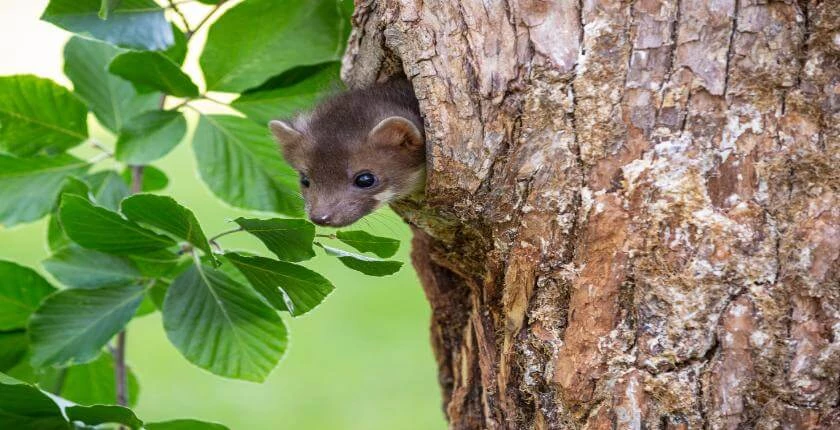
Hazel Dormouse Surveys
Get in touchAt Nationwide Ecology, we offer comprehensive Hazel Dormouse surveys to assist in ecological conservation efforts and support development projects. Our surveys identify the presence and measure the populations of this protected species, ensuring compliance with conservation guidelines.
We use a combination of footprint tracking, nest tube monitoring, and visual searches. These methodologies contribute to informed decision-making for developments in areas such as woodland, hedgerows, and scrubland.
Contact us today for a survey and ensure your project aligns with environmental regulations, keeping the biodiversity of and the area intact.
What Is a Hazel Dormouse Survey?
A Hazel Dormouse survey detects the presence and assesses the habitats of the Hazel Dormouse, a protected species in the UK. At Nationwide Ecology, we specialise in conducting these surveys to facilitate conservation and legal compliance for development projects. Our surveys involve detailed methods such as searching for nests and monitoring nest tubes, which are placed across potential habitats to observe dormouse activity over several months.
We also use footprint tunnels and hair tubes to collect further evidence of dormouse presence. Survey results are often compared against benchmarks set by the Countryside and Wildlife Act 1981 to ensure we provide comprehensive habitat assessments.
By understanding the dormice's population dynamics and habitat use, we can guide developers on mitigation strategies. This includes creating green corridors to connect fragmented habitats, an essential step in conserving these vulnerable creatures.
For a detailed consultation on dormouse surveys, contact us today.
What Types of Hazel Dormouse Surveys Are Available?
We offer different types of Hazel Dormouse surveys to suit various needs. Each type is designed to effectively identify and monitor dormouse populations and is conducted in accordance with the best practices recommended by organisations such as the People's Trust for Endangered Species (PTES).
Nest Tube Surveys: We install tubes that mimic natural nesting sites and monitor their occupancy over several months. This method meets the British Mammal Society guidelines and is typically conducted from April to October to coincide with the dormouse breeding season.
Footprint Tracking: We use tracking stations equipped with adhesive strips to record footprints, providing conclusive evidence of dormouse activity. This method is non-intrusive and is ideal for areas where visual surveys are challenging.
Nest Searches: Our experts perform a thorough ground search to locate dormouse nests, particularly in dense hedgerows and woodlands. This approach is conducted by trained ecologists to ensure minimal disturbance to the habitat.
These surveys provide critical data that can inform land management and conservation strategies.
Contact us today to discuss the best survey option for your property or project.
What Areas Are Suitable for Hazel Dormouse Surveys?
Hazel Dormouse surveys are suitable for a variety of habitats where this species may reside. At Nationwide Ecology, we conduct surveys in woodland, hedgerows, scrubland, and rural gardens.
These environments offer rich food sources and nesting sites crucial for dormice, and our surveys aim to identify their presence or absence accurately.
We employ methods such as nest tube surveys and footprint tunnels to assess dormouse activity, while adhering to Natural England's guidelines. Our experienced ecologists record findings and provide detailed reports, including mitigation strategies if dormice are present.
Surveys are particularly crucial in areas with planned construction or forestry activities to ensure legal compliance with the Wildlife and Countryside Act 1981.
Our surveys are essential in areas undergoing development to ensure that activities do not disrupt dormouse populations. Contact us to find out if your proposed site requires a survey.
When Is a Hazel Dormouse Survey Needed?
A Hazel Dormouse survey is needed when planning developments that affect potential dormouse habitats. Triggers include construction projects in wooded or hedgerow areas and any land changes that may impact local ecosystems.
These surveys are vital for developers, architects, and land managers to ensure compliance with the Wildlife and Countryside Act 1981, which safeguards dormice.
Surveys should ideally be conducted during dormouse active periods, typically between April and October, using methods such as nest tube surveys and footprint tracking. Nest tubes mimic natural cavities and encourage dormice to nest, while footprint tracking involves detecting unique prints left by dormice in strategically placed tracking tunnels.
These methods provide the detailed insights needed for accurate planning and conservation.
Arrange a dormouse survey with us to ensure compliance with wildlife protection laws and mitigate any negative effects on the local dormouse population.
How Does a Hazel Dormouse Survey Work?
To conduct a Hazel Dormouse survey, we follow these steps:
Initial Assessment: Evaluate the site for suitable dormouse habitats like hedgerows or woodland edges. We assess factors such as vegetation density, tree canopy cover, and connectivity to surrounding habitats.
Install Survey Equipment: Place nest tubes or footprint tracking stations throughout the site. These are installed following guidelines to ensure they are in locations most likely to be used by dormice.
Monitoring Phase: Regularly check equipment over a period of several months for signs of dormouse activity. The survey typically runs from April to October, coinciding with the dormice's active period.
Data Analysis: Analyse collected data to determine dormouse presence and activity levels. This involves examining signs such as nests, footprints, and gnawed hazel nuts.
Reporting: Provide a report detailing findings and recommending any necessary actions. The report includes habitat management strategies compliant with the Wildlife and Countryside Act 1981
This structured approach ensures accurate data on dormouse populations and helps inform conservation strategies.
How Long Does a Hazel Dormouse Survey Take?
A typical Hazel Dormouse survey takes six to eight months. This duration allows for sufficient monitoring and data collection during the dormouse active period from spring to autumn.
The initial setup phase, including site assessment and equipment installation, typically takes one to two weeks.
Our team uses methods such as the installation of nest tubes and footprint tunnels to effectively monitor these elusive creatures. Regular checks are conducted monthly to gather crucial data on population density and habitat use.
We strictly adhere to the standards set by the Chartered Institute of Ecology and Environmental Management (CIEEM), ensuring all procedures comply with ecological best practices.
Given the dormouse’s protected status, surveys are essential to facilitate planning applications and land management decisions, especially in woodland and hedgerow areas. We recommend planning early to fit project timelines.
Who Needs Hazel Dormouse Surveys?
Developers, land managers, and conservationists require Hazel Dormouse surveys. These surveys are crucial for ensuring compliance with legal obligations to protect habitats and species.
Hazel Dormice are protected under the Wildlife and Countryside Act 1981, making it unlawful to disturb them or their habitat without a licence. If your project involves construction or management activities in areas with potential dormouse habitats, our surveys can guide sustainable practices and facilitate planning permissions.
Our surveys typically involve habitat assessments, nesting surveys, and the identification of key features using methods such as tube or nest box surveys. We follow the guidelines set by Natural England, ensuring accurate data collection over periods ranging from April to October.
The data collected can inform Environmental Impact Assessments, helping clients to integrate biodiversity considerations into their development plans. Contact us to discuss how our dormouse surveys can support your project.
How Much Does a Hazel Dormouse Survey Cost?
Hazel Dormouse surveys typically cost between £2,000 and £4,000. The price depends on site size, habitat complexity, and the extent of monitoring required.
These surveys involve multiple stages, including a preliminary ecological appraisal and using technologies like infra-red trail cameras or nest tube monitoring. Surveys comply with the standards set by the Chartered Institute of Ecology and Environmental Management (CIEEM), ensuring accurate and reliable results.
Costs also consider access difficulties and the specific survey methods employed, such as mark-recapture techniques or direct observational studies over two to three months during the peak activity period of the dormouse. Initial quotes cover all necessary stages, from site assessment to final reporting.
Contact us for a tailored quote.
What Are the Benefits of Hazel Dormouse Surveys?
Hazel Dormouse surveys offer many benefits, ensuring ecological balance and legal compliance for projects. These surveys help developers, conservationists, and local authorities make informed decisions about land use and development while adhering to environmental legislations such as the Wildlife and Countryside Act 1981.
Conservation Compliance: Meet legal requirements for protecting endangered species like the hazel dormouse, which is listed under both the UK Biodiversity Action Plan and the Habitats Directive.
Biodiversity Protection: Preserve local wildlife and habitats by identifying and protecting critical dormouse nesting and foraging areas, thus maintaining biodiversity and ecological networks.
Informed Planning: Gain insights for sustainable development and land use by understanding dormouse behaviours and movements through methods like footprint tracking and hair tube surveys.
Risk Mitigation: Identify potential impacts on dormouse populations early on, allowing for the implementation of mitigation measures such as buffer zones or habitat corridors.
Ultimately, these surveys support a balanced approach to growth and conservation, facilitating more environmentally conscious development. Contact us to schedule a survey.
Why Choose Nationwide Ecology for Hazel Dormouse Surveys?
Nationwide Ecology delivers expert Hazel Dormouse surveys with precision and care. Our team of seasoned ecologists applies proven survey techniques such as nest tube surveys and footprint tracking to ensure comprehensive habitat assessments.
We are equipped to identify hazel dormouse activity, using equipment like automated camera traps combined with GIS mapping for spatial data analysis.
Our reports help facilitate regulatory compliance with guidelines set by the Wildlife and Countryside Act 1981, ensuring all developments are planned with minimal ecological impact. We work closely with residential developers, infrastructure planners, and environmental consultants to promote sustainable development.
Our surveys are critical for projects where hazel dormouse presence may affect ecological evaluations, helping developers align with both local and national conservation standards.
Choose us for reliable survey outcomes throughout the region.
Hazel Dormouse Surveys: Frequently Asked Questions
How much does a Hazel Dormouse survey cost?
A Hazel Dormouse survey typically costs between £2,000 and £4,000. Prices vary based on site requirements and complexity.
How long do Hazel Dormouse surveys take?
Hazel Dormouse surveys generally take six to eight months due to the need for extensive monitoring during active months. Plan accordingly to accommodate this timeframe.
When are Hazel Dormouse surveys conducted?
We conduct dormouse surveys during their active season from April to October. This period offers the best opportunity for detecting dormouse activity and ensuring regulatory compliance.
Who needs a Hazel Dormouse survey?
Developers, landowners, and conservationists need dormouse surveys for projects impacting potential dormouse habitats. These surveys ensure legal compliance and biodiversity preservation.
What methods are used in Hazel Dormouse surveys?
In , we use nest tube surveys, footprint tracking, and ground nest searches. These methods confirm dormouse presence accurately, guiding development and conservation projects.
Get a Free Quote for Hazel Dormouse Surveys
Contact us today to arrange your Hazel Dormouse survey and ensure compliance with conservation regulations.
Related Hazel Dormouse Survey Services
A preliminary ecological appraisal can identify woodland, hedgerow and habitat features with potential to support hazel dormice. Detailed botanical and habitat condition surveys can provide additional information about habitat suitability.
Where dormouse habitat could be affected by development, protected species mitigation and licensing can help address the ecological requirements.