
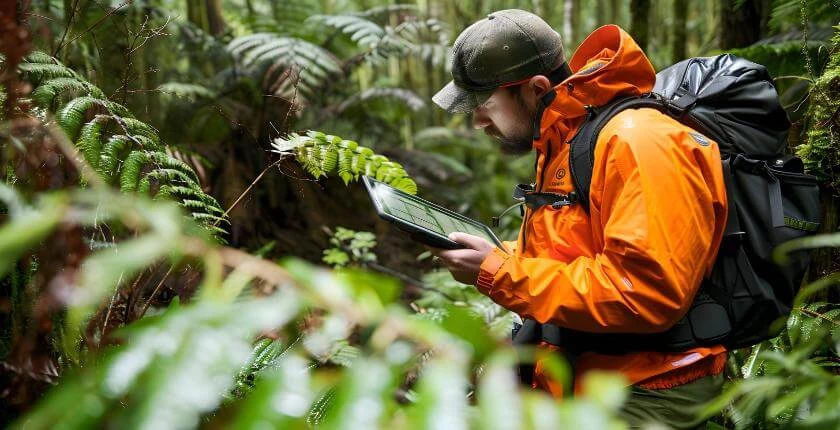
Botanical & Habitat Condition Surveys
Get in touchAt Nationwide Ecology, we conduct botanical and habitat condition surveys to assess and monitor ecosystems, ensuring that both flora and fauna are accurately evaluated. Our surveys are crucial for biodiversity conservation, identifying plant species, habitat types and ecological health.
Covering and the surrounding postcode area, our services are pivotal for regulatory compliance and environmental planning. Contact us to arrange a survey in your area.
What Is a Botanical & Habitat Condition Survey?
A botanical and habitat condition survey examines the ecological health of an area by assessing plant species, habitat types and environmental conditions. At Nationwide Ecology, we evaluate various ecosystems, including woodlands, grasslands and wetlands.
Our surveys involve systematically recording plant species using quadrat sampling and transects to estimate population densities and distribution patterns. We conduct soil analysis to understand nutrient levels and pH, which impact vegetation health.
These surveys help determine species diversity, habitat conservation status, and the potential impact of proposed developments. Identification of invasive species, assessment against the National Vegetation Classification (NVC) system, and evaluation of ecological connectivity are also critical components of our work.
Our detailed reports contribute significantly to environmental management plans, informing stakeholders of necessary conservation actions. Contact us to discuss your ecological survey needs.
What Types of Botanical & Habitat Condition Surveys Are Available?
At Nationwide Ecology, we offer several types of botanical and habitat condition surveys, each tailored to meet specific ecological and regulatory requirements. Our surveys are conducted according to recognised standards such as the Joint Nature Conservation Committee (JNCC) guidelines.
Phase 1 Habitat Surveys: An overview with visual mapping to assess habitat types and their conservation value. This is often a first step in the ecological assessment process.
National Vegetation Classification (NVC) Surveys: Detailed assessments of plant species compositions and structures, useful for understanding ecological communities and informing management plans.
Protected Species Surveys: Focus on legally protected flora and fauna, identifying presence or absence to ensure compliance with wildlife legislation such as the Wildlife and Countryside Act 1981.
Invasive Species Surveys: Identification and impact assessment of non-native species like Japanese knotweed, which can cause significant environmental and economic damage.
These surveys help landowners, developers, and conservationists make informed decisions. Contact us today to discuss which survey best suits your project needs.
What Environments Do Botanical & Habitat Condition Surveys Assess?
Our surveys assess a variety of environments to ensure comprehensive ecological evaluation. At Nationwide Ecology, we examine:
Woodlands: Identifying tree and understory species. We assess canopy cover and investigate signs of disease or pest infestation to determine overall forest health.
Wetlands: Evaluating aquatic plant diversity and condition. We also monitor water quality parameters, such as pH and nutrient levels, which influence plant growth and habitat viability.
Grasslands: Cataloguing plant species presence and abundance. Our surveys look at soil composition and grazing impact, crucial for maintaining diverse ecosystems.
Urban Areas: Assessing green spaces for native and invasive species. We consider ecological corridors and potential for biodiversity enhancement amidst urban development.
These surveys determine an area’s suitability for conservation, development or restoration projects. They are an essential step in complying with regulations and protecting biodiversity.
Contact us to schedule your survey today.
When Are Botanical & Habitat Condition Surveys Needed?
Botanical and habitat condition surveys from Nationwide Ecology are essential during planning stages of any development. They are particularly necessary ahead of construction projects, to ensure compliance with environmental regulations such as the Wildlife and Countryside Act 1981.
Conducting these surveys helps prevent potential legal issues by identifying protected plant species and sensitive habitats.
These surveys are also critical for habitat restoration projects where understanding the current vegetative composition is necessary to determine suitable native plant species for replanting. In projects involving species reintroduction, they provide baseline data on existing flora and habitat conditions to assess the success of the introduced species over time.
Monitoring ecological change is vital in areas under environmental stress, such as those affected by industrial pollution or climate change impacts.
Request a survey to ensure all environmental standards are met and to support the sustainable management of natural resources.
How Do Botanical & Habitat Condition Surveys Work?
Our surveys follow a structured process to ensure comprehensive results, integrating various tools and methodologies for precise ecological assessment:
Pre-Survey Planning: We define the scope and objectives, considering factors such as site history, previous data records, and potential ecological constraints. This includes liaising with local conservation bodies and clients to align expectations.
Fieldwork: Our trained ecologists use methods like quadrat sampling and line transects to systematically record plant species and assess habitat conditions. We employ GPS units for accurate mapping and soil testing kits to evaluate soil health.
Data Analysis: We assess species diversity and habitat health by considering ecological indices like the Shannon Diversity Index. This step involves comparing collected data against benchmarks in the National Vegetation Classification system.
Reporting: We deliver detailed findings, including Geographic Information System (GIS) maps, and recommendations. Our reports often address compliance with standards such as the Wildlife and Countryside Act 1981.
Each step is vital for accurate ecological assessment. To discuss your survey requirements, contact us today.
How Long Do Botanical & Habitat Condition Surveys Take?
Botanical and habitat condition surveys typically take one to two weeks to complete, depending on the survey's scope and the site's size. Factors such as the complexity of the vegetation, the presence of rare species, and the accessibility of the terrain can also influence the timeframe.
Larger sites with diverse habitats may require additional time for thorough assessment, as identifying different plant communities and conditions might be more intricate.
Seasonal variations impact survey durations as well. Conducting surveys in spring or summer allows for better identification of flora due to bloom visibility.
We use standard methodologies like the National Vegetation Classification system to ensure accurate, comprehensive data collection. Contact us to schedule a survey during the optimal season for your project needs.
Who Needs Botanical & Habitat Condition Surveys?
Our surveys at Nationwide Ecology serve a wide range of clients, including property developers, environmental consultants, government agencies, and conservation organisations. These surveys are crucial for identifying and preserving native plant species, assessing habitat quality, and evaluating potential environmental impacts.
By implementing methods like quadrat sampling and transect walks, we can provide detailed vegetation assessments. Our work often involves examining Sites of Special Scientific Interest (SSSIs) or other protected areas, ensuring compliance with legislation such as the Wildlife and Countryside Act 1981 or the Habitats Regulations.
We use Geographic Information Systems (GIS) to precisely map and analyse ecological data over time. By providing thorough ecological insights, our services ensure that all projects align with conservation goals and legal requirements.
Consult with us to understand how our surveys can benefit your project.
How Much Do Botanical & Habitat Condition Surveys Cost?
Botanical and habitat condition surveys typically cost between £500 and £2,000, depending on site complexity and survey type. Larger sites, such as those over 50 hectares, often necessitate extended fieldwork involving more surveyors, which can increase the cost.
Surveys may also require specialised equipment, like GPS mapping and GIS software, to accurately document plant species and habitat features.
The ecosystem's biodiversity plays a significant role in determining price, as areas with threatened or rare species need more thorough investigation in compliance with the Wildlife and Countryside Act 1981. Projects with requirements under the National Planning Policy Framework (NPPF) may demand additional assessment phases, affecting the overall cost.
Costs can vary based on the size of the area, the detail required, and any specific legal requirements to be addressed. Contact us for a tailored quote that considers your project's unique aspects.
What Are the Benefits of Botanical & Habitat Condition Surveys?
Conducting surveys with Nationwide Ecology offers several benefits:
Regulatory Compliance: Meet legal standards for planning and development, such as those required under the Wildlife and Countryside Act 1981 and the Town and Country Planning Act 1990. These regulations ensure that both public and private sector projects adhere to biodiversity and conservation requirements.
Biodiversity Insight: Gain detailed information on species diversity, including the identification of rare or protected species, using methods like quadrat sampling and transect sampling. These insights help tailor conservation efforts to local ecological conditions.
Conservation Planning: Inform strategies for habitat restoration and management by assessing factors like soil composition, hydrology, and existing vegetation cover. This is crucial for crafting effective Site of Special Scientific Interest (SSSI) management plans.
Risk Identification: Detect potential ecological risks early on, such as the presence of invasive species or habitat degradation. Early detection allows for mitigation measures that prevent long-term ecological damage to sensitive areas.
Connect with us today to take advantage of these benefits for your project.
What Regulations Apply to Botanical & Habitat Condition Surveys?
In the UK, botanical and habitat condition surveys must comply with several regulations and standards. These include the Wildlife and Countryside Act 1981, which protects native plant species and habitats from harm, and the Conservation of Habitats and Species Regulations 2017, which align UK law with the EU Habitats Directive.
Additionally, guidance from Natural England provides specific recommendations for preserving biodiversity during development projects.
Surveys often require detailed fieldwork using methodologies such as Phase 1 Habitat Surveys and the National Vegetation Classification (NVC) to accurately assess ecological value. We use GPS mapping equipment and Geographic Information Systems (GIS) for precise data collection.
All surveys adhere to the Chartered Institute of Ecology and Environmental Management (CIEEM) standards, ensuring reliable assessments.
Our team ensures all surveys conducted meet the necessary legal requirements and guidelines. If you have a project that requires botanical surveys, please contact us to learn more.
Why Choose Nationwide Ecology for Botanical & Habitat Condition Surveys?
Nationwide Ecology stands out for its survey techniques. Our skilled ecologists use methodologies such as Phase 1 Habitat Surveys and National Vegetation Classification (NVC) to provide accurate, actionable ecological insights.
We also employ Geographic Information Systems (GIS) to map biodiversity data effectively, enhancing the precision of our surveys. During assessments, our team examines factors like soil quality, species composition, and ecosystem health to ensure compliance with regulations such as the Wildlife and Countryside Act 1981.
We tailor each survey to your project's requirements, delivering detailed reports that inform environmentally sound decisions. Our clients range from local councils and developers to conservation organisations, each benefiting from our precise and insightful analyses.
Get in touch with us to learn more about our specialised services.
Botanical & Habitat Condition Surveys: Frequently Asked Questions
How much does a botanical and habitat condition survey cost?
A botanical and habitat condition survey typically costs between £500 and £2,000, depending on site size and complexity.
How long does a botanical and habitat condition survey take?
Surveys usually take one to two weeks, with timing influenced by the survey scope and site conditions.
What environments are assessed in a botanical and habitat condition survey?
We assess woodlands, wetlands, grasslands, and urban areas for an ecological overview.
Are botanical surveys required by law?
Yes, they are often required to comply with environmental regulations and planning permissions.
Why should developers conduct habitat surveys?
Habitat surveys identify ecological and opportunities, ensuring projects meet regulatory and conservation standards.
Get a Free Quote for Botanical & Habitat Condition Surveys
Contact Nationwide Ecology today to arrange your botanical and habitat condition survey.
Related Botanical & Habitat Condition Survey Services
A Phase 1 habitat survey can provide an initial overview of habitats before more detailed botanical and condition assessment. Biodiversity net gain assessment can then use habitat information to support evaluation of biodiversity value.
Where particular habitats support protected species, preliminary ecological appraisal can help identify additional survey requirements.